India’s monsoon season brings vital rainfall to forests and wildlife habitats, but it also creates serious challenges for protecting endangered Bengal tigers.
In Bandhavgarh Tiger Reserve, Madhya Pradesh, heavy rain can wash away footprints and other evidence of illegal activity, making it harder for anti-poaching patrols to identify threats.
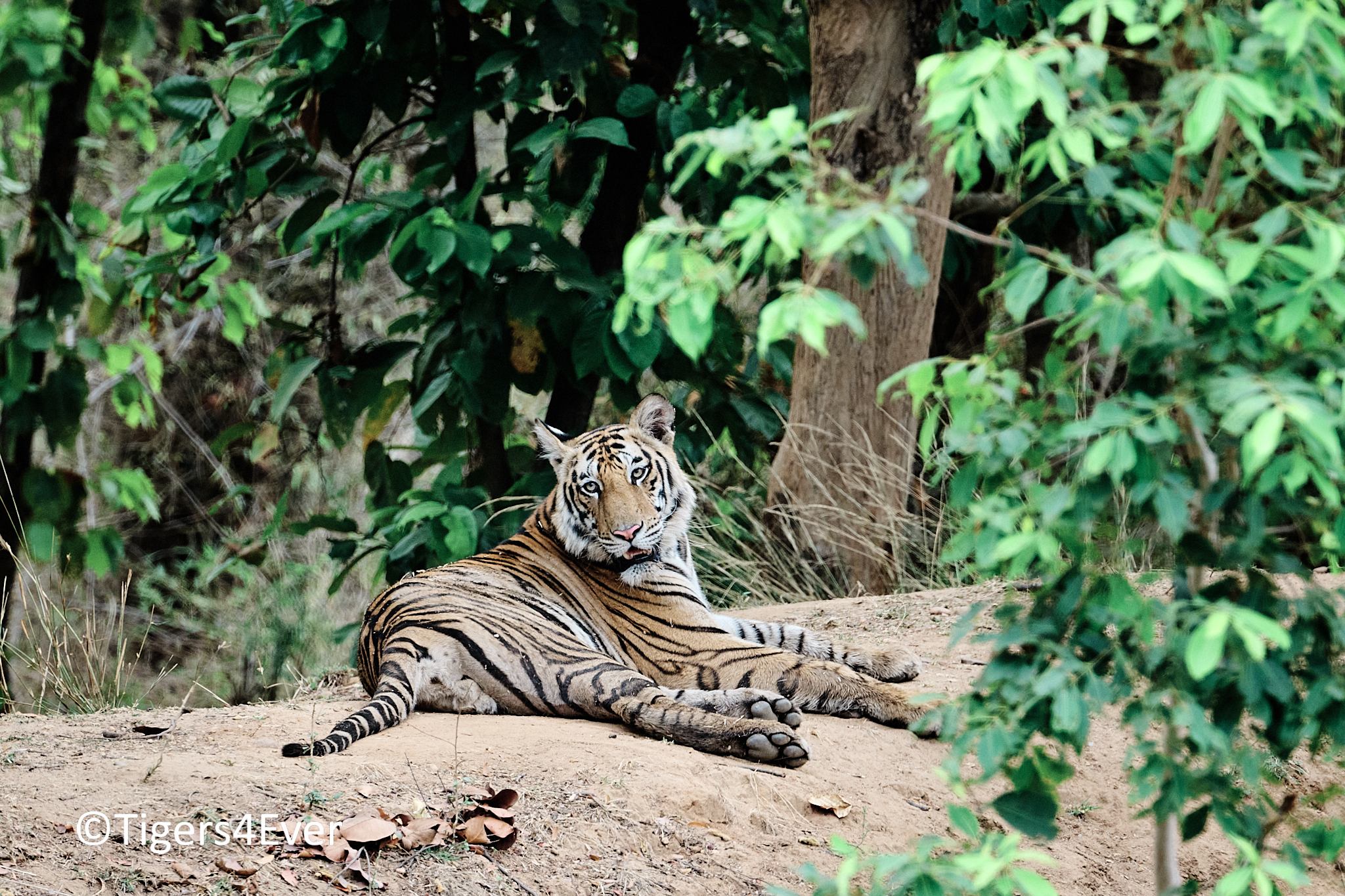
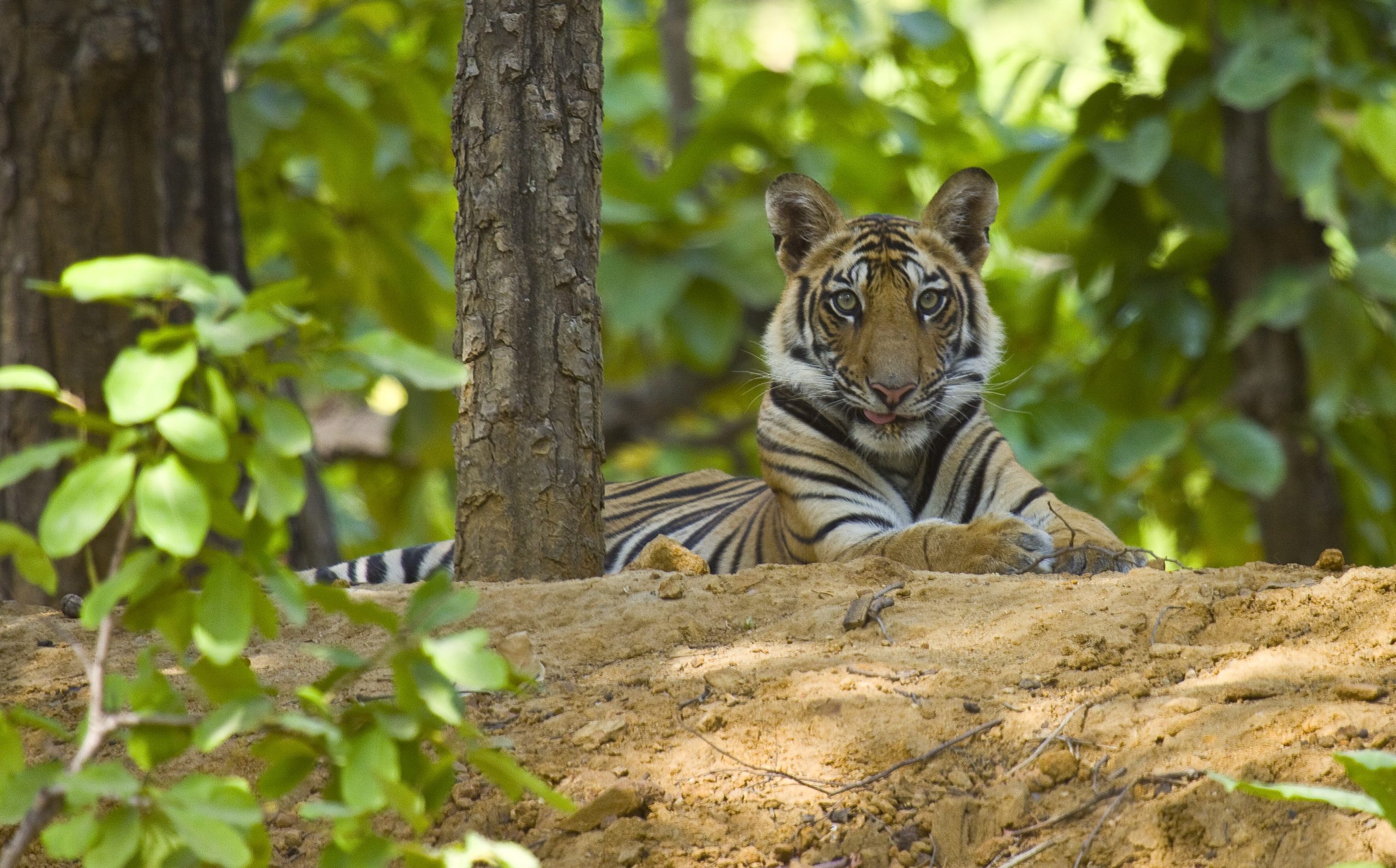
As wild tiger numbers in Bandhavgarh continue to grow, protecting them from poaching, illegal traps and human-wildlife conflict remains essential.
Why Is Tiger Poaching a Concern During Monsoon Season?
Monsoon rainfall transforms India’s forests, creating fresh vegetation and replenishing natural water sources. However, it also makes some forms of illegal activity harder to detect.
During the rainy season, people enter forest areas to collect fruit, bamboo and grasses for livestock. While many are gathering resources for their livelihoods, increased human activity creates additional challenges for monitoring protected habitats.
Poachers can exploit these conditions by placing illegal traps before heavy rainfall, knowing that rainwater may remove footprints and other evidence.
For anti-poaching patrols, distinguishing between legitimate forest activity and potential threats becomes particularly difficult.
This is why Tigers4Ever considers the monsoon a critical period for protecting wild tigers in Bandhavgarh.
What Threats Do Wild Tigers Face?
Wire snares and illegal traps
Wire snares remain a serious danger to Bengal tigers and other wildlife.
Some snares are placed around farmland to prevent animals from damaging crops, while others are deliberately positioned along wildlife trails.
These traps are indiscriminate. Tigers, leopards and other animals can become caught, suffering severe injuries or death.
Tigers4Ever’s anti-poaching teams regularly search for hidden snares, remove dangerous wires and identify locations where traps may have been anchored.
Human-wildlife conflict
As tiger populations increase and habitats become more crowded, encounters between wildlife and local communities can become more frequent.
Wild elephants may enter farmland to feed on crops, while tigers occasionally move towards villages in search of prey.
Increased conflict can lead to dangerous attempts to protect crops and livestock, including the use of wire snares and electrified fencing.
Tigers4Ever supports wildlife-friendly alternatives and works to reduce the threats facing both people and animals.
How Do Anti-Poaching Patrols Protect Tigers?
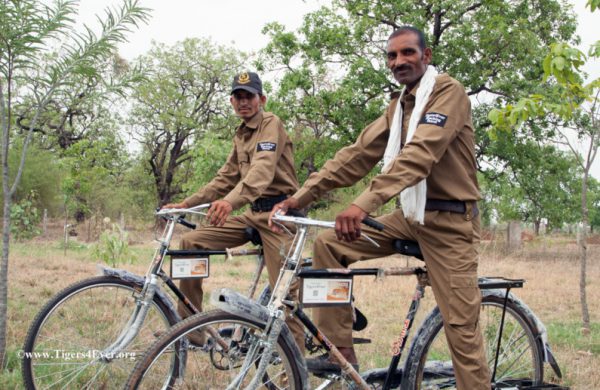
Tigers4Ever supports dedicated anti-poaching patrols working in and around Bandhavgarh Tiger Reserve.
These teams play an important role in protecting wild tigers by:
- Searching forest trails for snares, traps and signs of poisoning.
- Monitoring areas where illegal activity may occur.
- Removing dangerous wires and identifying hidden trap locations.
- Providing forest safety advice to local communities.
- Monitoring wildlife movements and potential conflict areas.
During the 2026 monsoon season, Tigers4Ever worked to maintain patrol coverage at four times its previous baseline level to address the heightened risks.
Outside the monsoon, increased patrols allow teams to cover an additional 1,800 kilometres of tiger habitat each month, helping extend protection into vulnerable areas.
Learn more about our anti-poaching patrols.
Protecting Tigers Means Protecting Their Habitat
Preventing poaching is only one part of wild tiger conservation.
As tiger populations grow, young tigers need sufficient space to establish territories, access prey and move safely between forest areas.
Tigers4Ever is supporting habitat restoration at Salkhania and the creation of a forest corridor at Sarmania.
During 2025, the charity also extended its patrolling range to protect areas into which young tigers had dispersed.
These conservation efforts aim to increase available habitat and reduce the risk of conflict as tigers move beyond established territories.
Discover our tiger habitat restoration projects.
Providing water for tigers and wildlife
Access to water is another important part of reducing pressure on tiger habitats.
As reported in July 2026, Tigers4Ever had recently completed work at ten wildlife waterholes, including improvements at Salkhania and Pachpedi.
The charity was also developing a new waterhole in the Sarmania forest corridor, supported by a £1,000 donation, including Gift Aid, in memory of Gerry Brain.
The project aims to provide year-round drinking water for tigers and their prey as the surrounding habitat is restored.
Find out how wildlife waterholes help protect tigers.
Your Donations Help Keep Anti-Poaching Patrols Active
Protecting wild tigers requires dedicated people, essential equipment and consistent funding.
During 2026, Tigers4Ever reported providing patrol teams with:
- 200 waterproof flashlights.
- 200 mosquito nets.
- 200 sets of waterproof clothing.
- A further 100 uniforms and sturdy boots scheduled for distribution in July.
These supplies help patrol teams continue working in difficult conditions throughout the year.
Donations also contribute towards patrol wages, nutritious meals and the cost of reaching remote forest locations.
How Can You Help Protect Wild Tigers?
As reported in July 2026, examples of how donations could support anti-poaching teams included:
£11 – Will pay an anti-poaching patroller for 35 days
£27 – Will pay an Anti-Poaching Patrol team to protect wild tigers for 12 days
£46 – Will provide 12 days transport & fuel for a team of anti-Poaching Patrollers
£111 – Support a day’s patrolling across approximately 125 kilometres of tiger habitat.
Every contribution helps Tigers4Ever continue its work protecting wild tigers from poaching and other threats.
Support tiger conservation and help protect wild tigers.
Together, we can give wild tigers a wild future.