Resources

Tiger Facts

Everything You Need to Know About Wild Tigers

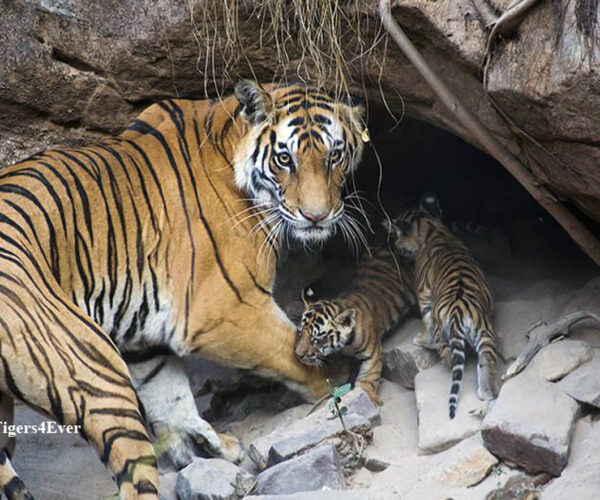
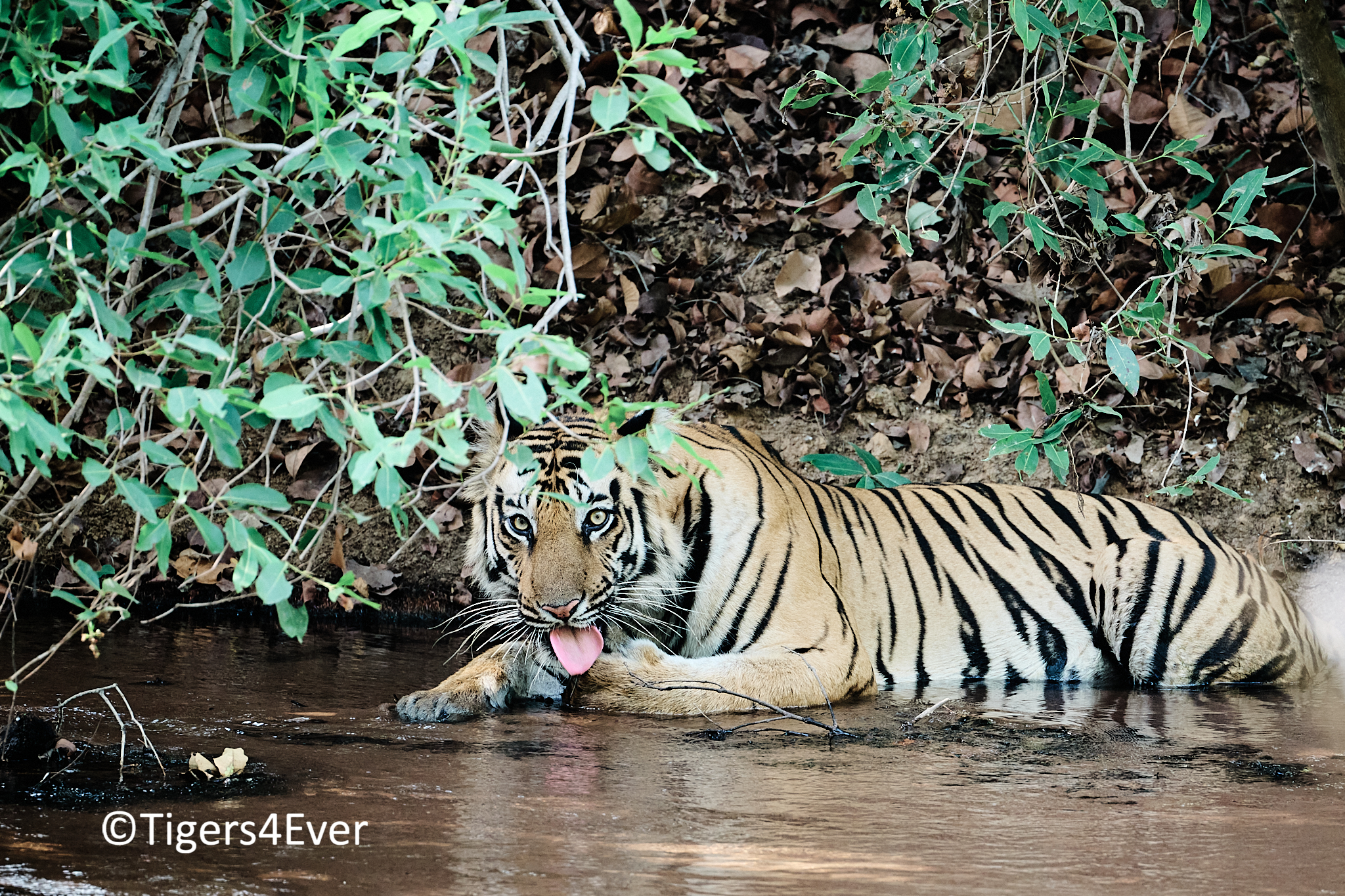
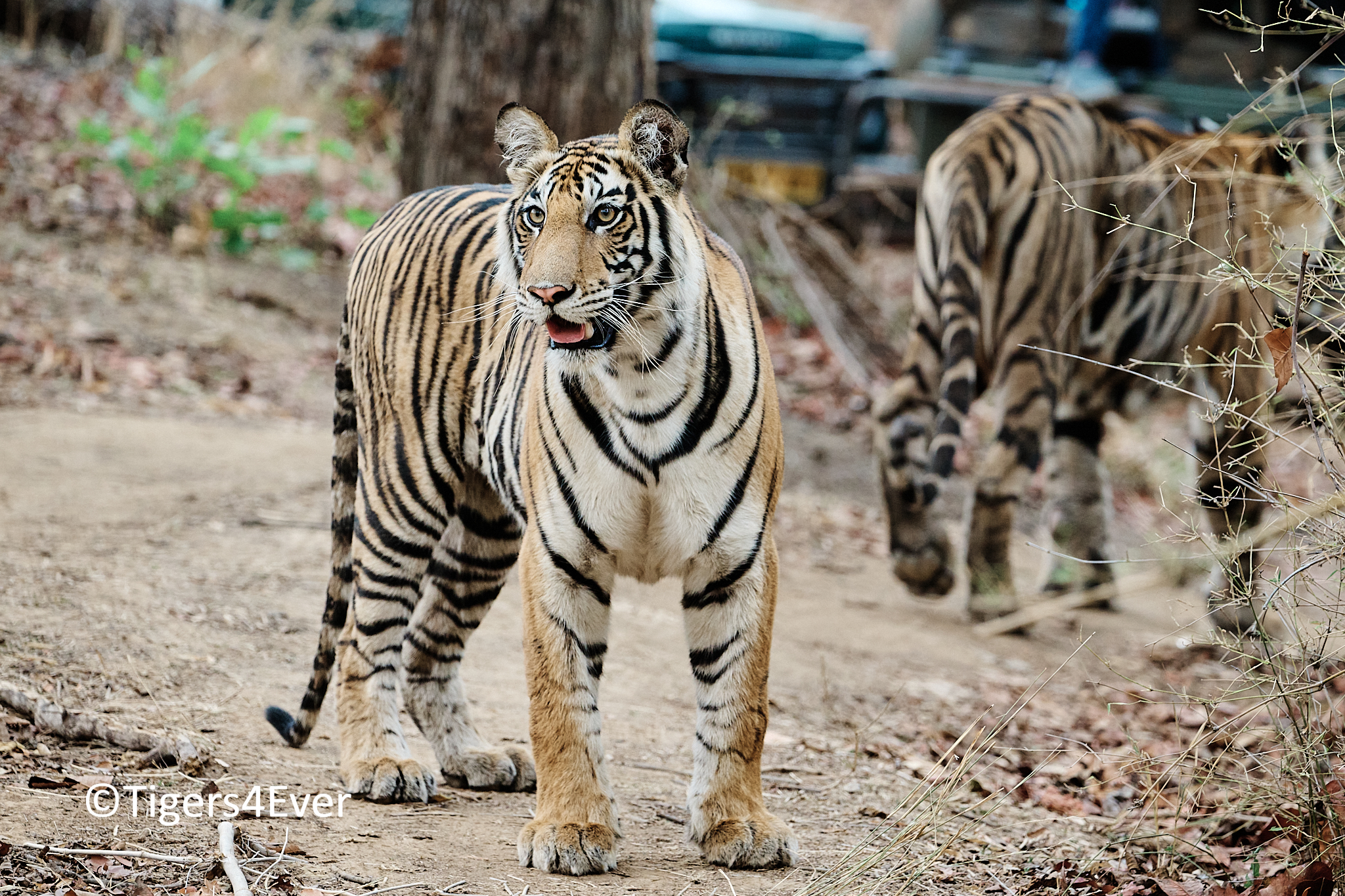
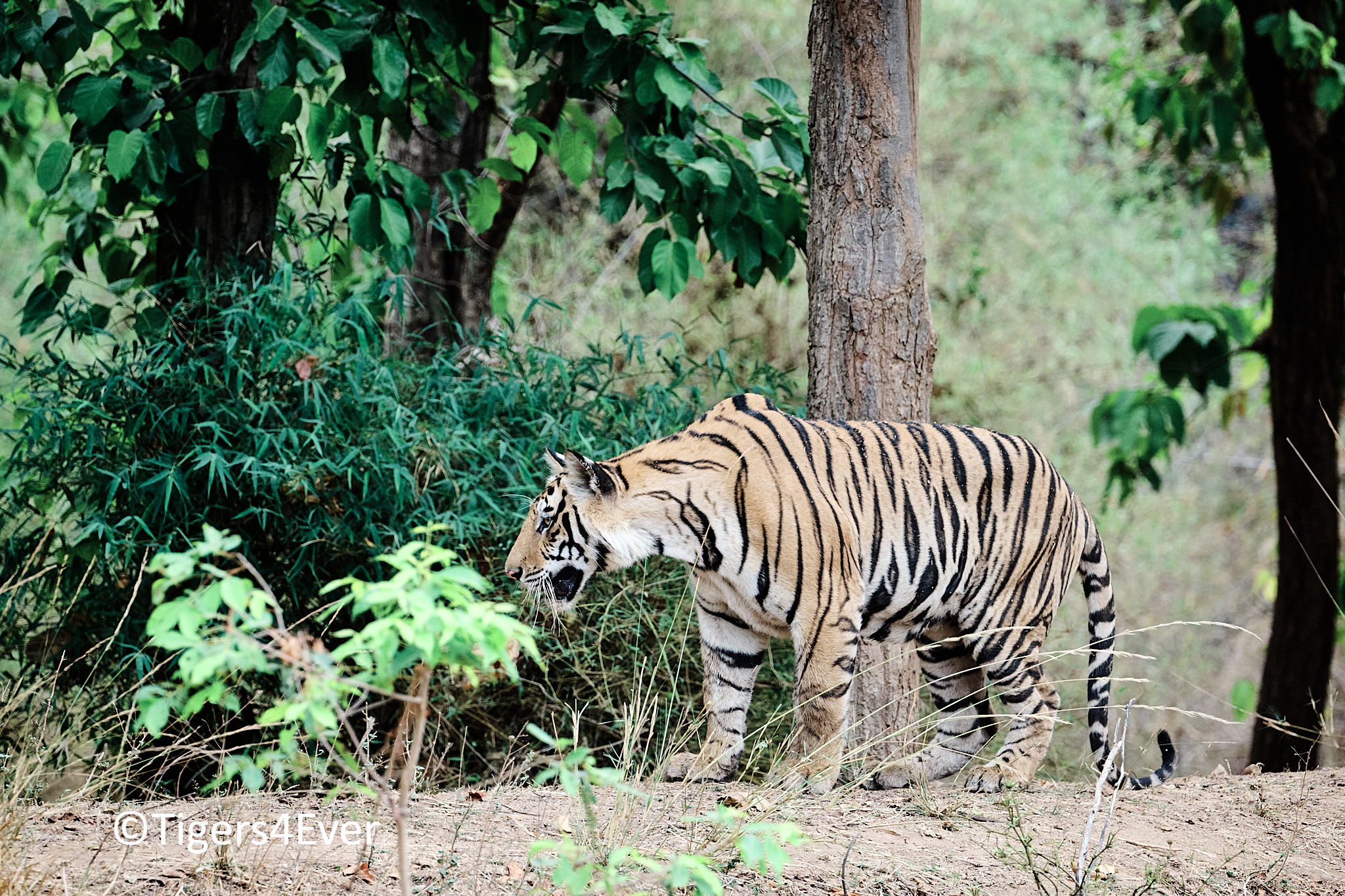
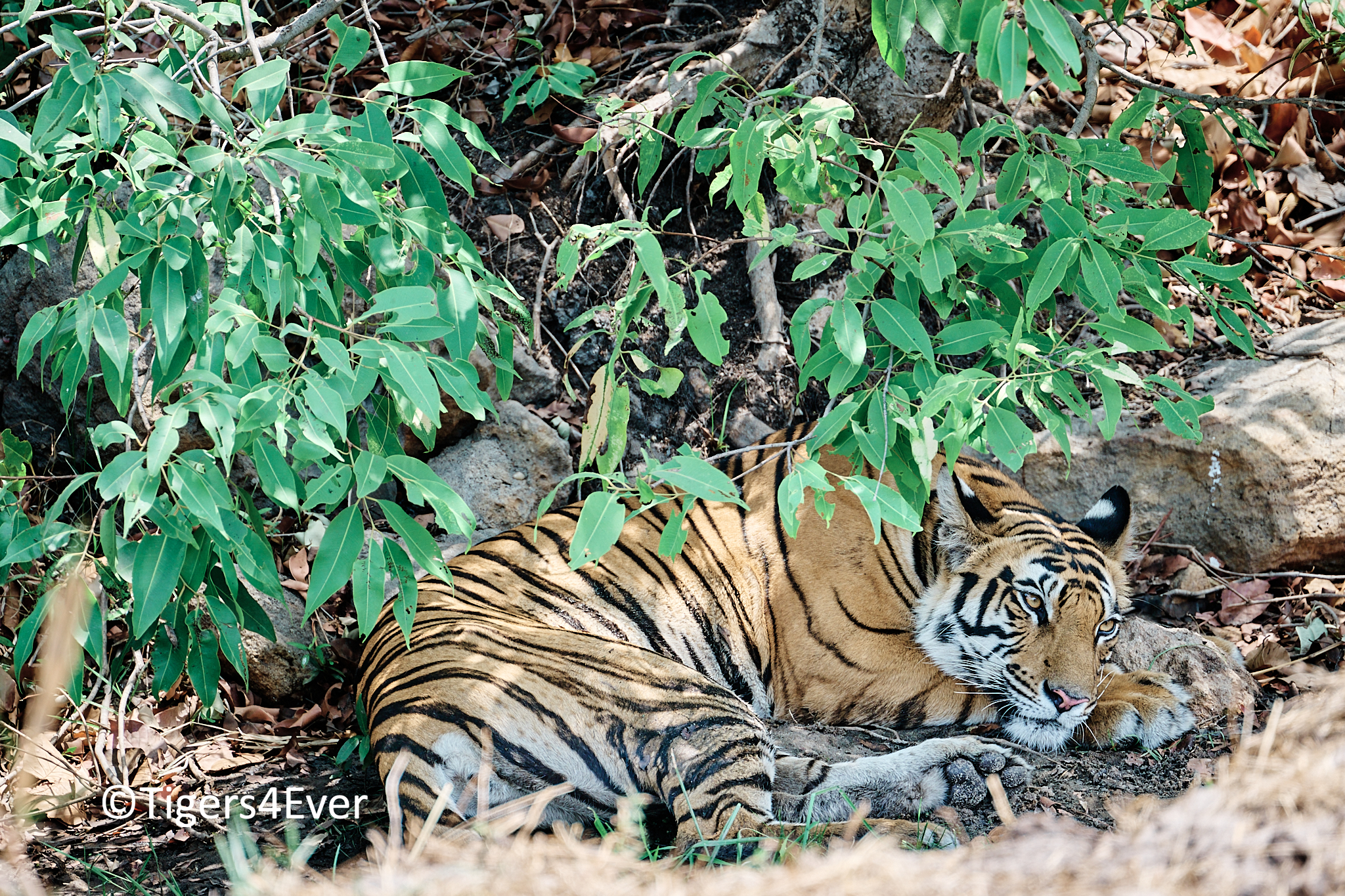
Did you know? The tiger (Panthera tigris) is the largest of the big cat family. Once there were 9 sub-species roaming the wild, however 3 have all become extinct during the last century. Globally there are estimated to be 5574 wild tigers in existence (July 2023) which encompasses all of the 6 surviving sub-species. Over two thirds of these are found in India.

Royal Bengal Tiger

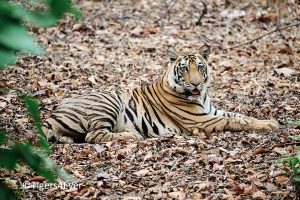
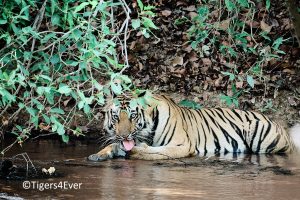
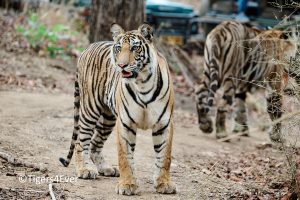
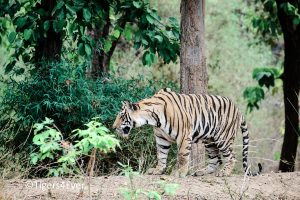
Royal Bengal tigers are the most numerous sub-species in the wild with the highest density in India (around 2967 individuals at July 2019).

Indo-Chinese Tiger

The greatest density of Indo-Chinese tigers is found in Thailand. There is a very limited knowledge of the status of these tigers in the wild.

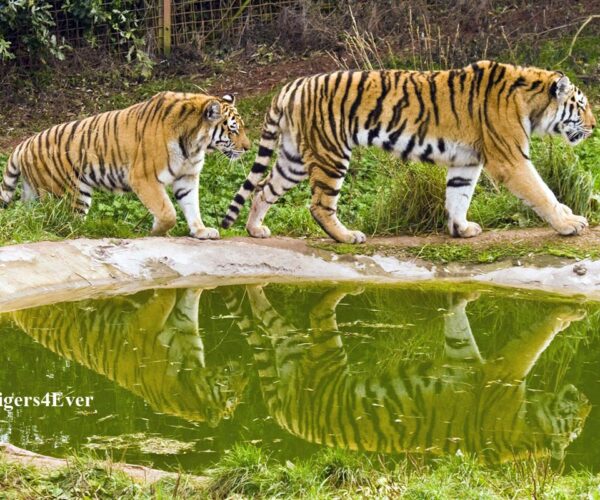
Amur Tiger

Rigorous anti-poaching methods in combination with other conservation efforts in Russia have brought the Amur tiger back from the brink of extinction.

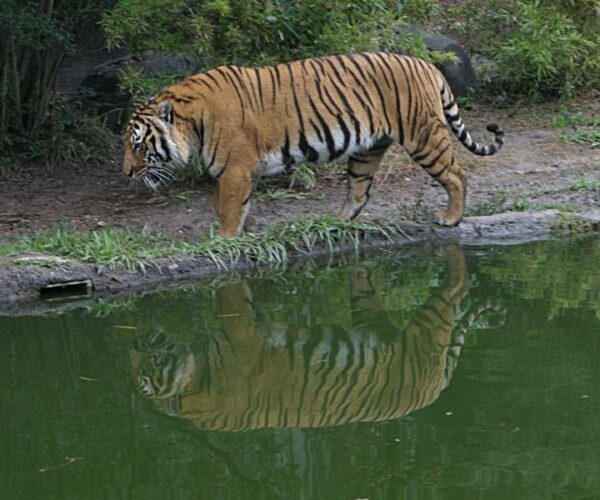
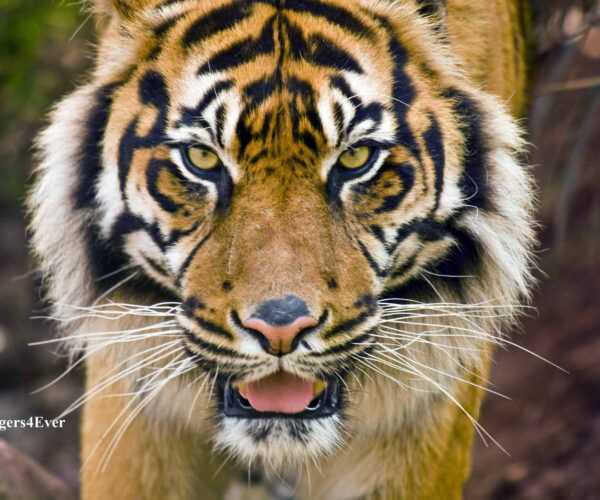
Sumatran Tiger

Smaller and darker than the Royal Bengal tiger, Sumatran Tigers can weigh between 75-150kg, with the males weighing around 30% more than the females

Malayan Tiger

There is little known about the biology of Malayan tigers. They were only identified as a separate sub-species from the Indo-Chinese tiger sub-species in 2004.

South China Tiger

It is believed to be functionally extinct in the wild, and if non-captive populations still exist they are most likely to be found in the provincial borders in Southeast China.

Did you know?

The greatest density of Indo-Chinese tigers is found in Thailand. There is a very limited knowledge of the status of these tigers in the wild.

Tiger Stats

Everything You Need to Know About Wild Tigers

Royal Bengal Tiger
CategoryDetails
Scientific NamePanthera tigris tigris
HabitatDry and wet deciduous forests, Sal forests, grassland, temperate forests, and mangrove forests.
LocationBangladesh, Bhutan, China, India, Myanmar, and Nepal. (India holds the largest population).
IUCN ListingEndangered
PopulationApprox. 2,967 individuals in the wild (India), including cubs <12 months.
SizeUp to 3 metres in length; weighs between 160–280kg.
Major ThreatsHuman encroachment on territory, poaching, and habitat destruction.
Indo-Chinese Tiger
CategoryDetails
Scientific NamePanthera tigris corbetti
HabitatRemote forests in hilly and mountainous terrain; major corridors exist along Himalayan mountain borders.
LocationDispersed through Thailand, China, Cambodia, Lao PDR, Myanmar, Vietnam, and Bhutan.
IUCN ListingEndangered
Population1,200–1,800 total estimated; only approximately 300 remain in the wild.
SizeSmaller/darker than Bengal tigers; 110–190kg (males are ~50% heavier than females).
Major ThreatsPoaching, prey depletion (deer/boar), habitat fragmentation, and in-breeding.
Amur Tiger
CategoryDetails
Scientific NamePanthera tigris altaica
HabitatConiferous, scrub oak, and birch woodlands.
LocationMostly Eastern Russia; small populations in North-eastern China and North Korea.
IUCN ListingEndangered
PopulationEstimated 450–500 in the wild (some reports suggest <400).
SizeUp to 3.5 metres long; weighs 240–400kg. (Largest tiger subspecies).
Major ThreatsPoaching and habitat destruction.
Sumatran Tiger
CategoryDetails
Scientific NamePanthera tigris sumatrae
HabitatRanges from lowland to mountain forests; specifically peat swamps and freshwater swamp forests.
LocationEndemic to the Indonesian island of Sumatra.
IUCN ListingCritically Endangered
PopulationFewer than 400 remain in the wild (down from ~1,000 in 1978).
SizeSmallest subspecies; up to 2.5m in length and 75–150kg.
Major ThreatsPoaching, habitat destruction for palm oil/logging, and human-tiger conflict.
Malayan Tiger
CategoryDetails
Scientific NamePanthera tigris jacksoni
HabitatSub-tropical/tropical moist broadleaf forests and abandoned agricultural land.
LocationSparsely dispersed; found only in the southern part of the Malay Peninsula.
IUCN ListingCritically Endangered
PopulationApproximately 150 individuals remain in the wild (recent 2026 reports).
SizeSimilar to Sumatran tigers; weighs 100–140kg; length up to 2.5 metres.
Major ThreatsHuman-wildlife conflict, habitat loss via agriculture, and commercial development.
South China Tiger
CategoryDetails
Scientific NamePanthera tigris amoyensis
HabitatSub-tropical evergreen forests (montane and lowland).
LocationHistorically Central and Eastern China; now found only in captivity (zoos and reserves).
IUCN ListingCritically Endangered (Possibly Extinct in the Wild)
Population0 in the wild. Approximately 200–240 remain in captivity across Chinese zoos and a rewilding reserve in South Africa.
SizeSmallest mainland subspecies; 2.2–2.6m in length; 100–180kg.
Major ThreatsFunctional extinction due to historical “pest” hunting (1950s–70s), extreme habitat loss, and severe inbreeding in the remaining captive population.
Protect the Tigers: Interactive Story

An interactive story inspired by real efforts to protect India’s wild tigers.

Donate

Big changes are caused by small help.

Your donation, no matter the size, can make a real difference, helping to save lives, protect cubs and preserve a world where tigers still roam free. Please give today and be a part of the fight to keep wild tigers wild.

Gallery

See The photo gallery

News

Let you know what’s happening

Snares and Tigers

Thank you for your dedication and support for our anti-poaching...

Defending The Jungle

Thank you for your continued amazing support for our anti-poaching...

Education Matters

It has been a challenging year for fundraising for our...

Join Us

Help Give Wild Tigers a Wild Future

Volunteers do not necessarily have the time. They just have the heart. The best way to find yourself is to lose yourself in the service of others.