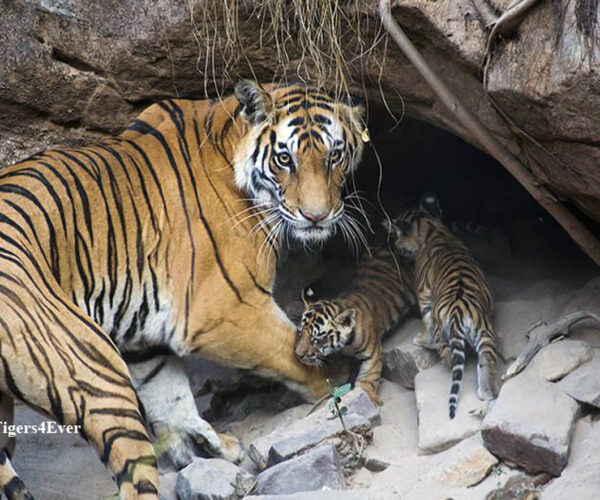
Thank you for your dedication and support for our anti-poaching...
Although Sumatran tigers are protected by law in Indonesia with tough penalties including custodial sentences and heavy fines, there has been no significant decline in poaching with more than 75% of tiger deaths per annum being deliberate for commercial gain. In spite of increased efforts by tiger conservationists, law enforcers and anti-poaching measures there is still a substantial market in Sumatra for tiger parts and products. The shrinking habitat and reduction in prey base has meant that tigers often encroach into populated settlements looking for food. This results in increased human-tiger conflict and retributive killings and actions against the tigers. Human-tiger conflict is on the increase.
| Category | Details |
| Scientific Name | Panthera tigris sumatrae |
| Habitat | Ranges from lowland to mountain forests; specifically peat swamps and freshwater swamp forests. |
| Location | Endemic to the Indonesian island of Sumatra. |
| IUCN Listing | Critically Endangered |
| Population | Fewer than 400 remain in the wild (down from ~1,000 in 1978). |
| Size | Smallest subspecies; up to 2.5m in length and 75–150kg. |
| Major Threats | Poaching, habitat destruction for palm oil/logging, and human-tiger conflict. |
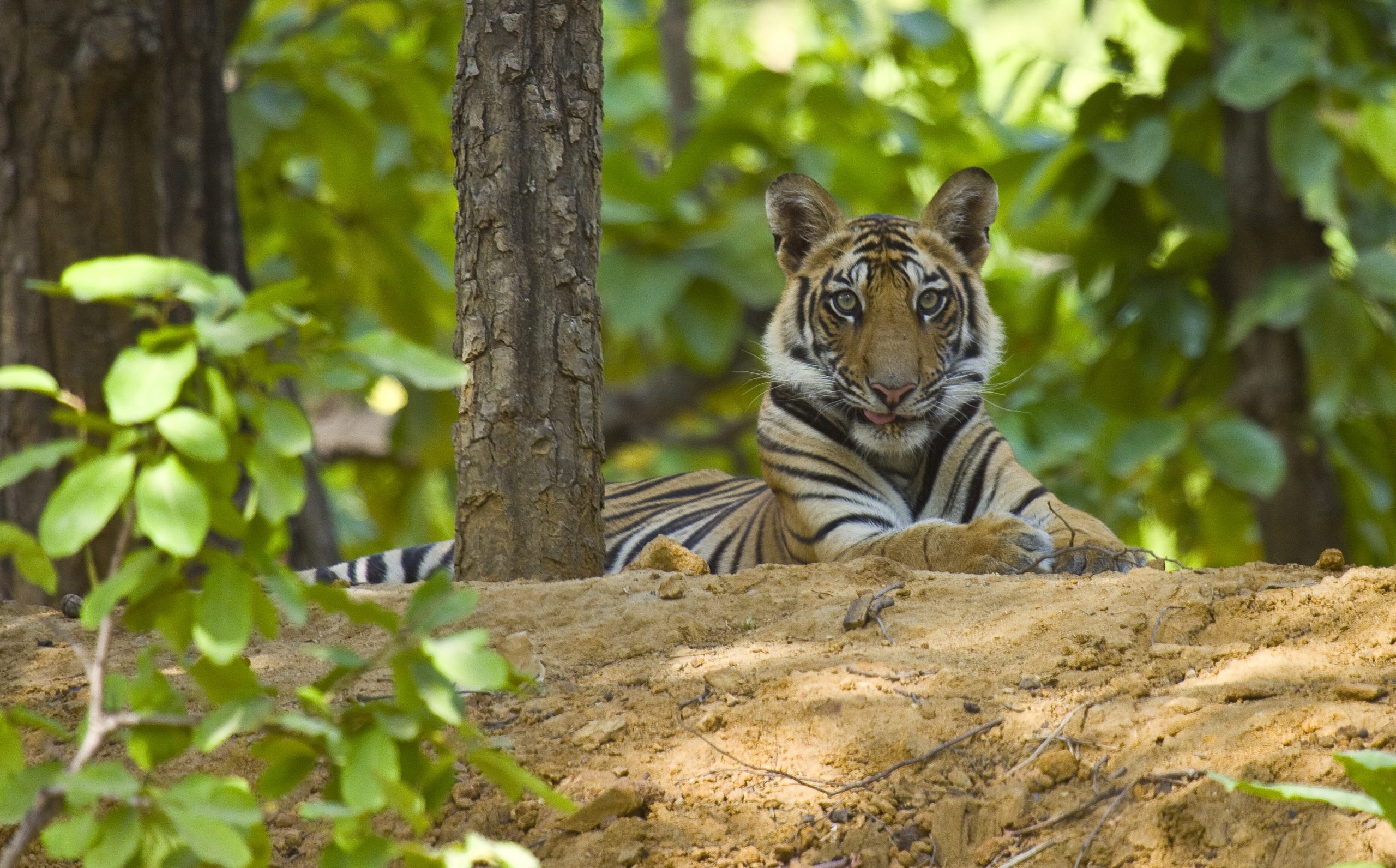
Royal Bengal tigers are the most numerous sub-species in the wild with the highest density in India (around 2967 individuals at July 2019).
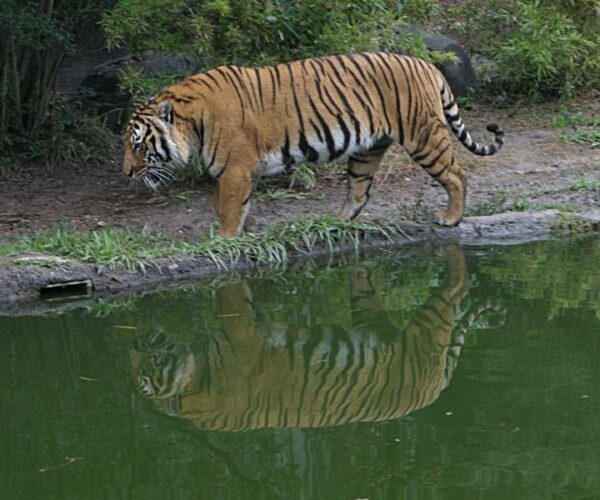
The greatest density of Indo-Chinese tigers is found in Thailand. There is a very limited knowledge of the status of these tigers in the wild.

Rigorous anti-poaching methods in combination with other conservation efforts in Russia have brought the Amur tiger back from the brink of extinction.
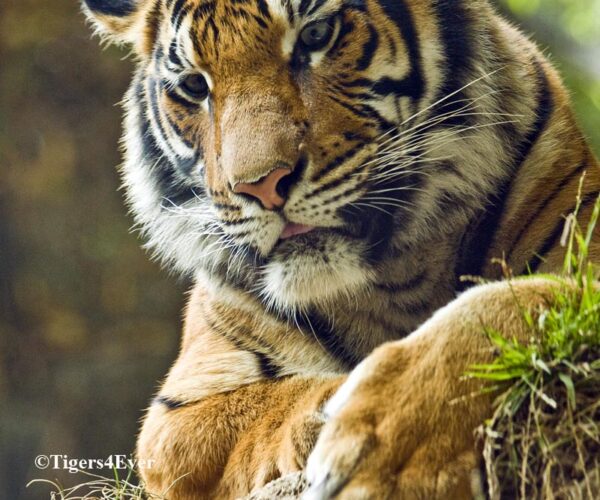
There is little known about the biology of Malayan tigers. They were only identified as a separate sub-species from the Indo-Chinese tiger sub-species in 2004.
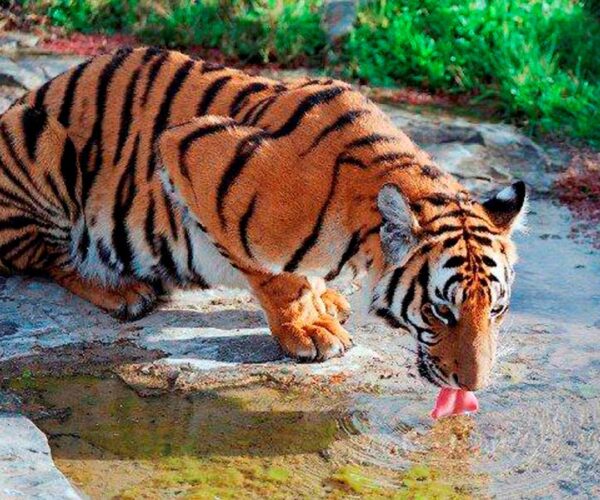
It is believed to be functionally extinct in the wild, and if non-captive populations still exist they are most likely to be found in the provincial borders in Southeast China.
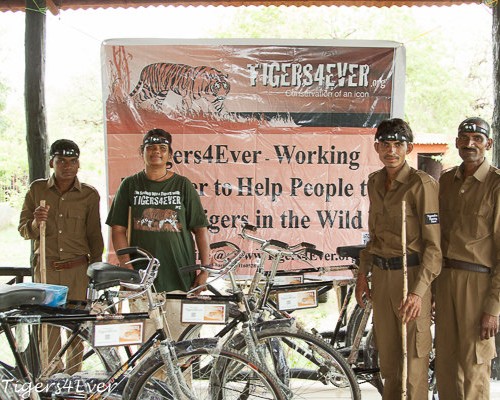
Your donation, no matter the size, can make a real difference, helping to save lives, protect cubs and preserve a world where tigers still roam free. Please give today and be a part of the fight to keep wild tigers wild.
Volunteers do not necessarily have the time. They just have the heart. The best way to find yourself is to lose yourself in the service of others.
Our ultimate goal is to prevent the extinction of wild tigers. It is vital that we eliminate wild tiger deaths due to poaching and retaliatory poisoning to ensure that wild tigers are around for future generations.