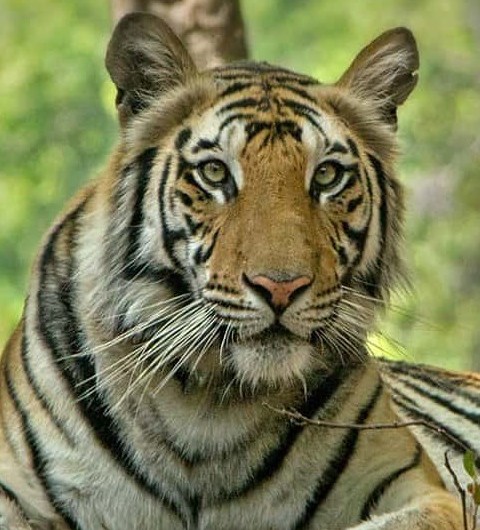
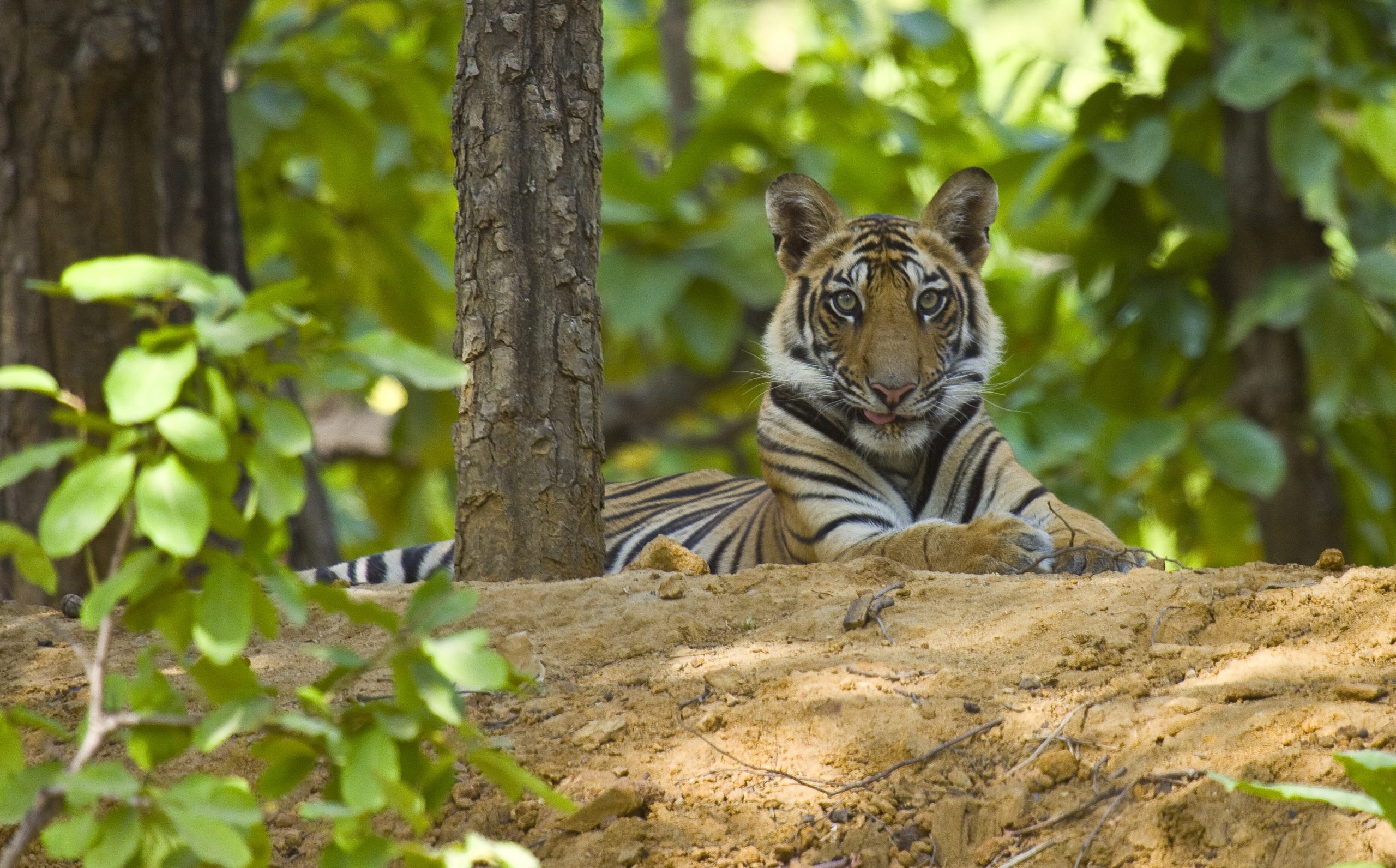
Thank you for your dedication and support for our anti-poaching...
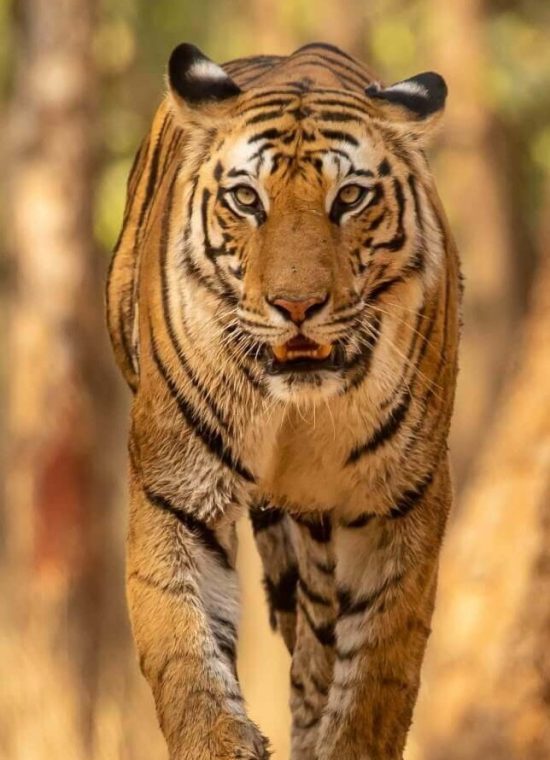
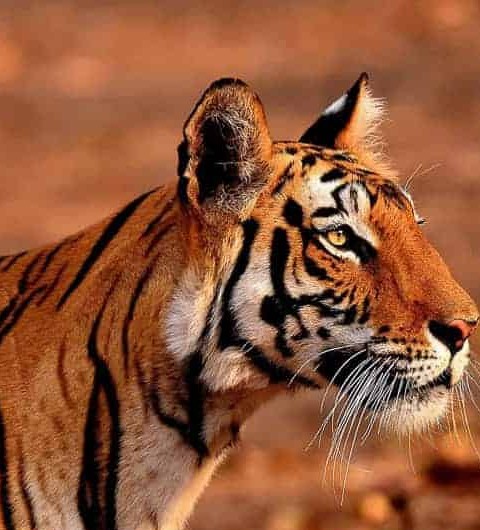
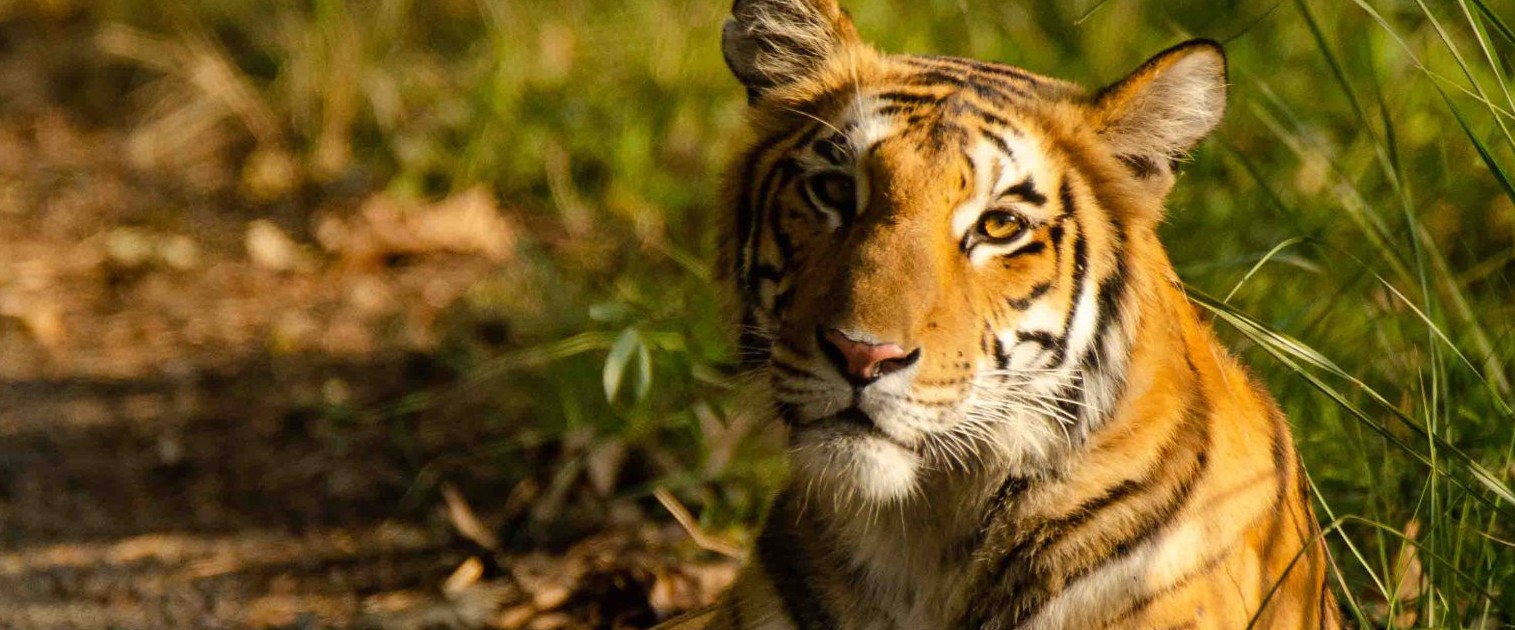
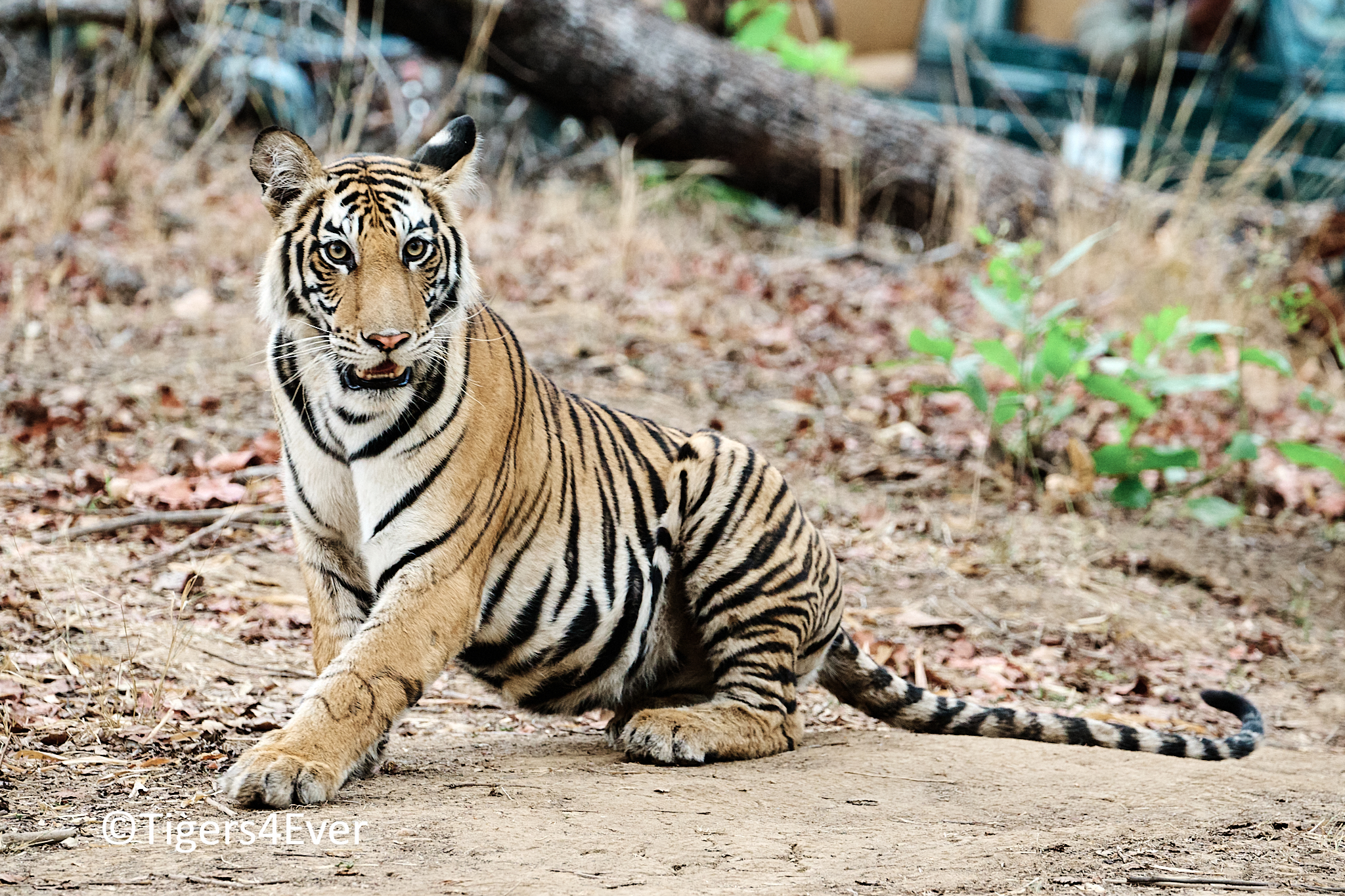
Our ultimate goal is to prevent the extinction of wild tigers. With India home to more than two thirds of the global wild tiger population; it is vital that we eliminate wild tiger deaths due to poaching and retaliatory poisoning to ensure that wild tigers are around for future generations.
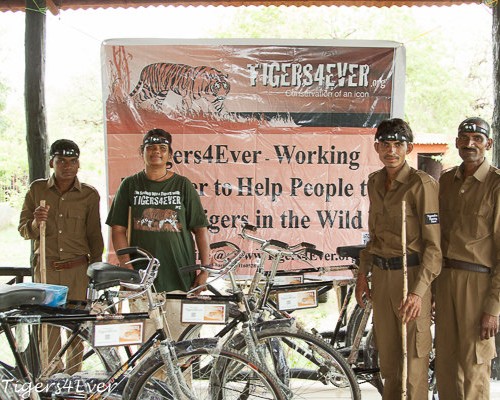
Providing and equipping anti-poaching patrols to keep wild tigers safe.

Creating permanent wildlife waterholes, planting trees, grasses & shrubs & installing solar-PIR lighting to reduce both Tiger-Tiger & Human-Wildlife conflict.

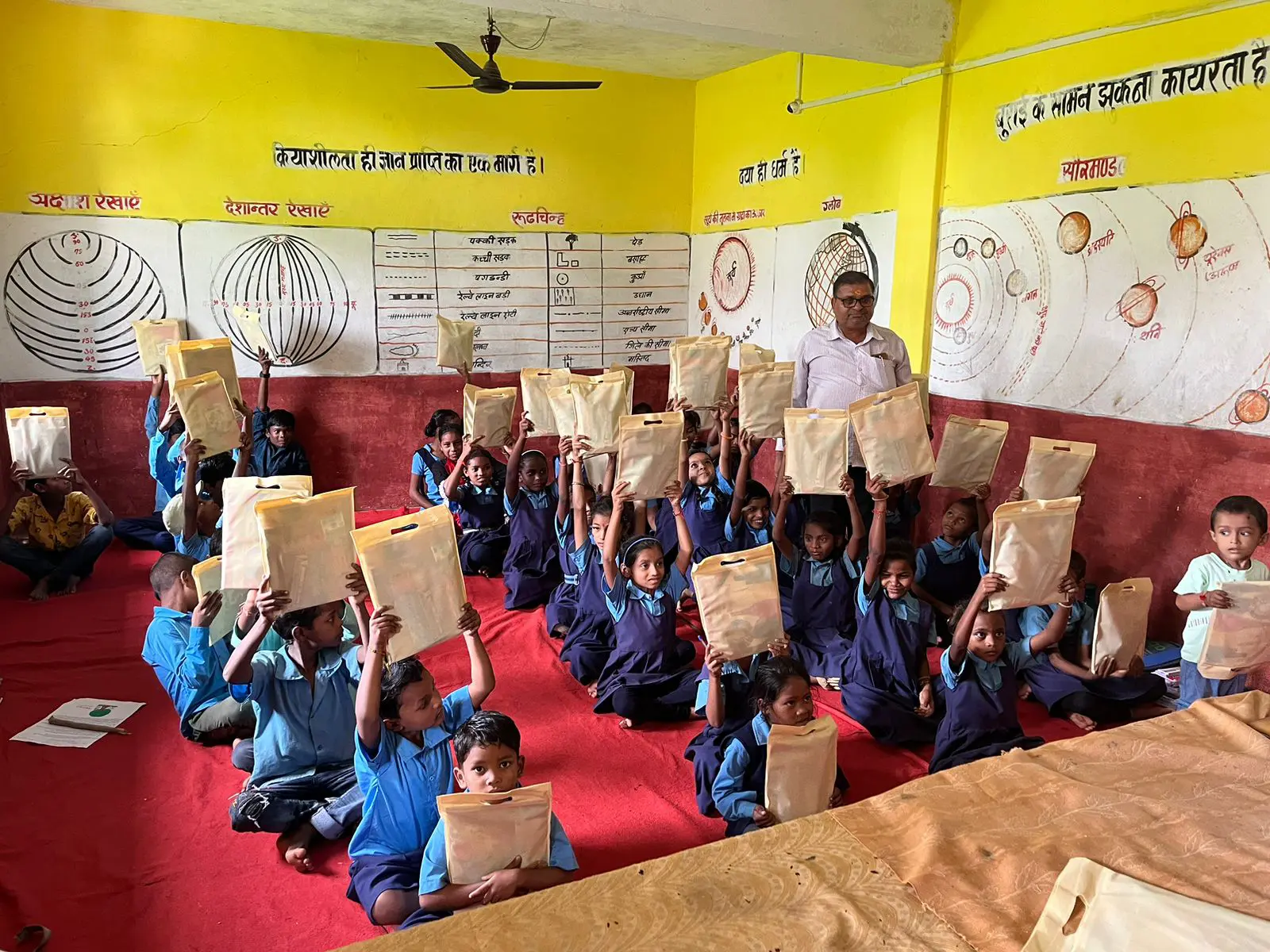
Giving access to educational resources to improve literacy, employment opportunities and forest safety in an around Bandhavgarh.
97% of the global wild tiger population has been lost in 100 years. Fewer than 5574 remain so it’s vital we protect them and their precious habitat. Seventy percent (3167) of all wild tigers are in India
In the last 6 years, forest degradation and climate change have led to longer drought seasons in Bandhavgarh. When wildlife waterholes become dry, human-wildlife conflict increases and wild tigers die.
The burgeoning human population has decimated India’s wild tiger habitat, increasing incidents of human-animal conflict due to lack of food for prey & predators.
India’s National Parks have a dense tiger populations. As populations increase tigers are forced to leave the park to establish their own territory. The challenge is most tiger habitats in the country now exist as ‘islands’.
Your donation, no matter the size, can make a real difference, helping to save lives, protect cubs and preserve a world where tigers still roam free. Please give today and be a part of the fight to keep wild tigers wild.
In 1900, there were an estimated 100,000 wild tigers globally. In 1972, India only had 1827 left. By the mid-1990s numbers had risen to an estimated 3500. But by 2008 they had fallen again to 1411.
The few which are are left today still face enormous pressures which threaten their long term survival – recent censuses in 2011, 2014, 2018 and 2022 have included cubs over 1 year old in their numbers, cubs whose survival is far from guaranteed! The latest figure from 2022 suggests 3167 tigers in India which is 70% of the 5574 Global Tiger Population.
The tiger is the most powerful predator, yet the most vulnerable. Vulnerable because of the habitat destruction which is threatening its very survival; vulnerable because of the ebb and flow of the eco-systems of its habitat; vulnerable because of man; vulnerable because of its very success.

97% of the global wild tiger population has been lost in just over 100 years. Poachers have jeopardised wild tiger survival for years with snares consisting of anchored wires with sliding nooses camouflaged these along tiger trails. The world’s wild tigers and their forest habitats are under threat. Protected Tiger Reserves are surrounded by buffer zones, where the burgeoning human population lives amongst the wildlife.
Over the last 6 years Bandhavgarh has suffered from an acute water crisis due to erratic rainfall causing longer drought seasons which impact all. Existing wildlife waterholes previously replenished by rainwater have become dry or almost dry. Thirsty prey animals enter villages to drink and, whilst there, raid crops. Predators follow in search of prey and kill livestock when their native prey flees.
Education is key to ensuring wild tigers have wild futures. Since 2010 we’ve provided over 3400 education packs for children in more than 32 villages around Bandhavgarh to enable them to go to school. Rural poverty together with the cost of basic writing material can prevent many children from attending school.
FOUNDER TRUSTEE & CHAIR
FOUNDER TRUSTEE & TREASURER
TRUSTEE
TRUSTEE
TRUSTEE
TRUSTEE
TRUSTEE
TRUSTEE
TRUSTEE
TRUSTEE
TRUSTEE
Volunteers do not necessarily have the time. They just have the heart. The best way to find yourself is to lose yourself in the service of others.
Our ultimate goal is to prevent the extinction of wild tigers. It is vital that we eliminate wild tiger deaths due to poaching and retaliatory poisoning to ensure that wild tigers are around for future generations.