Amur (Siberian) Tiger

Everything You Need to Know About Amur Tigers

Rigorous anti-poaching methods in combination with other conservation efforts in Russia have brought the Amur tiger back from the brink of extinction.

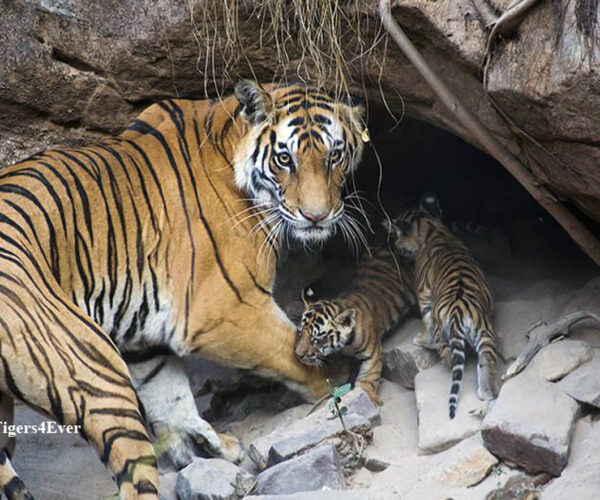
The Amur tiger almost became extinct in the wild during the 1940s when fewer than 40 wild individuals survived. Since then rigorous anti-poaching methods in combination with other conservation efforts in Russia have brought the Amur tiger back from the brink of extinction to a fairly stable population of around 450. Poaching of tigers and their prey together with increased logging in their territories, forest fires, the construction of roads and poor law enforcement measures continue to threaten the survival of this subspecies.

The Taiga forests where the Amur tigers live are bordered by treeless Tundra to the north and the steppes to the south. This is one of the coldest habitats in the world and suffers long winters due to high latitude which mean these tigers have a much thicker coat than those in tropical climates. Amur tigers, in their almost continuous range, are one the largest undivided populations in the world.

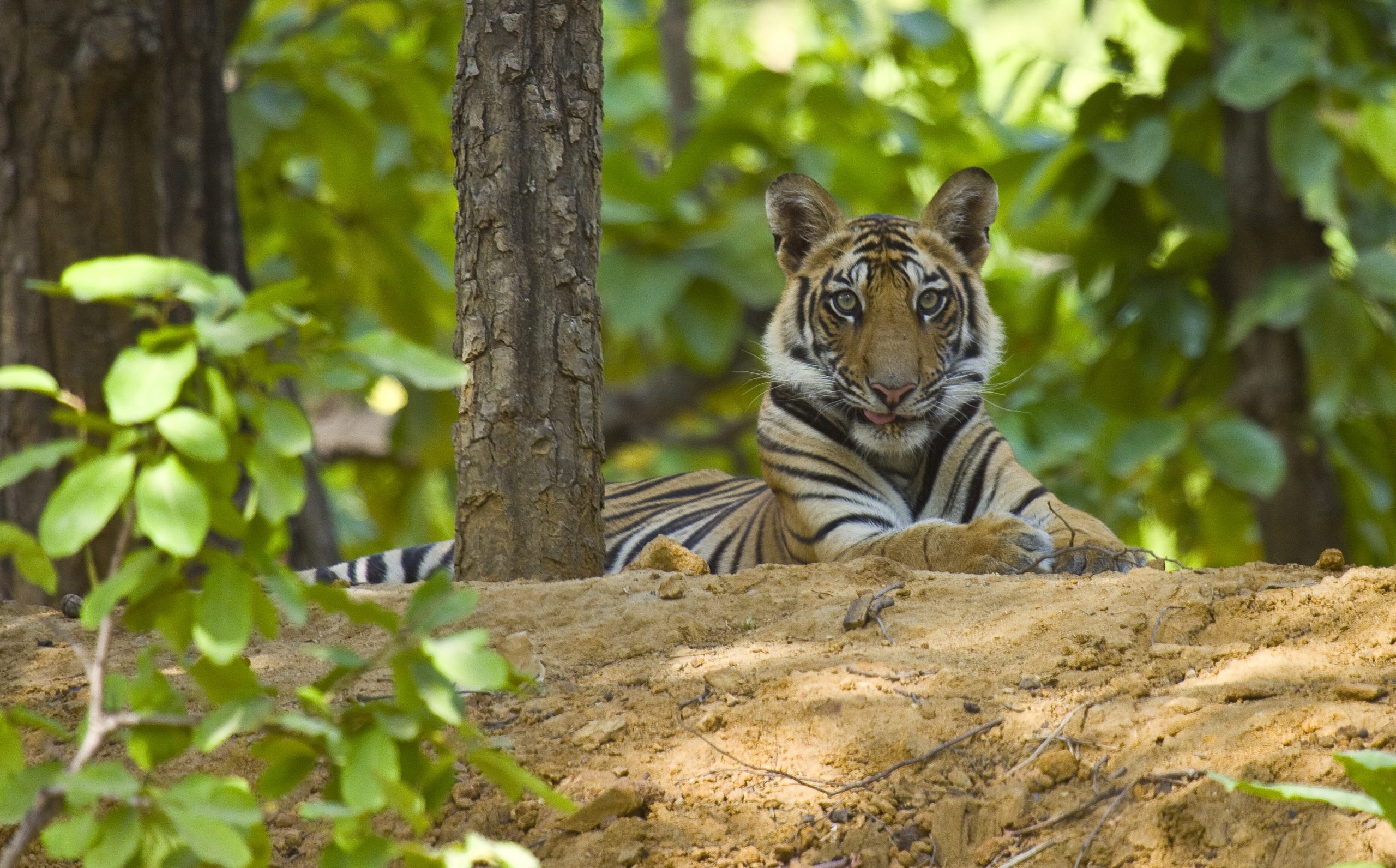
The thick fur of the Amur tiger has a pale golden hue and fewer stripes than other sub-species. The underside of the tiger being white with dark stripes. The pattern of these stripes is unique to each individual tiger and is also found on the tiger’s skin.

Facebook
Twitter
LinkedIn
Did you know?

Rigorous anti-poaching methods in combination with other conservation efforts in Russia have brought the Amur tiger back from the brink of extinction.

Tiger Stats

Everything You Need to Know About Amur Tigers

Amur Tiger
CategoryDetails
Scientific NamePanthera tigris altaica
HabitatConiferous, scrub oak, and birch woodlands.
LocationMostly Eastern Russia; small populations in North-eastern China and North Korea.
IUCN ListingEndangered
PopulationEstimated 450–500 in the wild (some reports suggest <400).
SizeUp to 3.5 metres long; weighs 240–400kg. (Largest tiger subspecies).
Major ThreatsPoaching and habitat destruction.

Tiger Facts

Everything You Need to Know About Tigers

Royal Bengal Tiger

Royal Bengal tigers are the most numerous sub-species in the wild with the highest density in India (around 2967 individuals at July 2019).
Indo-Chinese Tiger

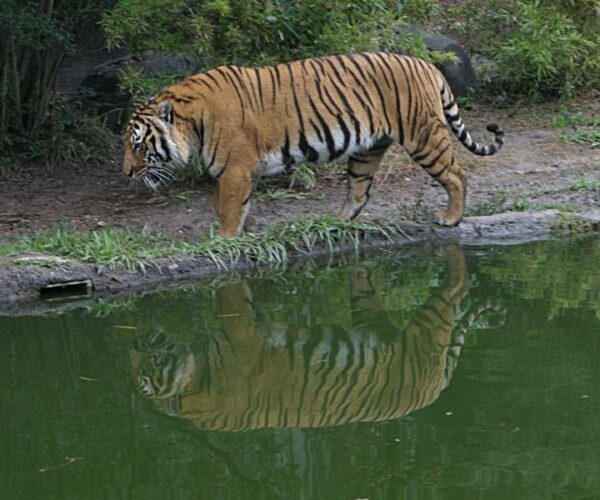
The greatest density of Indo-Chinese tigers is found in Thailand. There is a very limited knowledge of the status of these tigers in the wild.
Sumatran Tiger

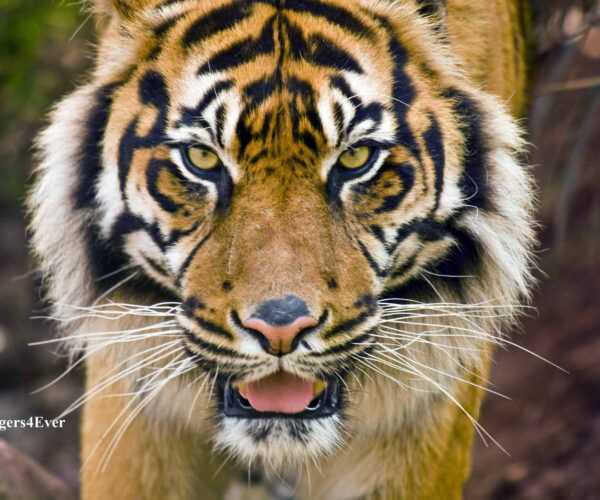
Smaller and darker than the Royal Bengal tiger, Sumatran Tigers can weigh between 75-150kg, with the males weighing around 30% more than the females
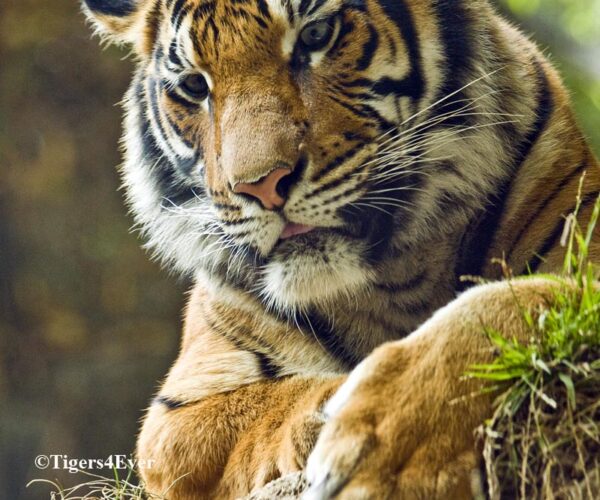
Malayan Tiger

There is little known about the biology of Malayan tigers. They were only identified as a separate sub-species from the Indo-Chinese tiger sub-species in 2004.
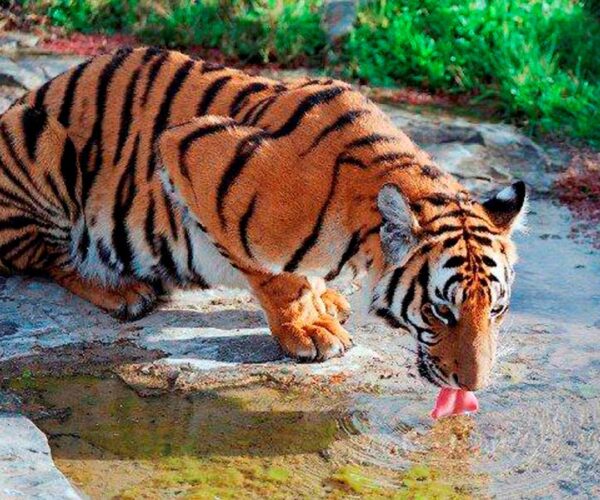
South China Tiger

It is believed to be functionally extinct in the wild, and if non-captive populations still exist they are most likely to be found in the provincial borders in Southeast China.

Protect the Tigers: Interactive Story

An interactive story inspired by real efforts to protect India’s wild tigers.

Donate

Big changes are caused by small help.

Your donation, no matter the size, can make a real difference, helping to save lives, protect cubs and preserve a world where tigers still roam free. Please give today and be a part of the fight to keep wild tigers wild.

News

Let you know what’s happening

Snares and Tigers

Thank you for your dedication and support for our anti-poaching...

Defending The Jungle

Thank you for your continued amazing support for our anti-poaching...

Education Matters

It has been a challenging year for fundraising for our...

Join Us

Help Give Wild Tigers a Wild Future

Volunteers do not necessarily have the time. They just have the heart. The best way to find yourself is to lose yourself in the service of others.