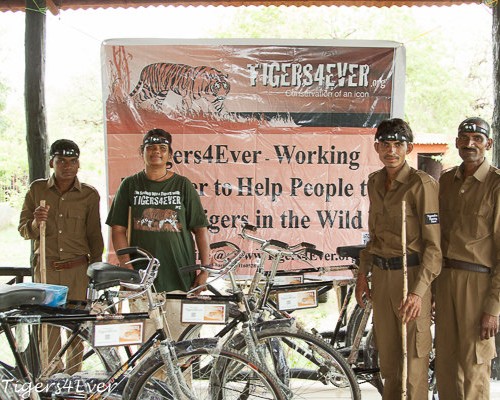
Thank you for your dedication and support for our anti-poaching...
Malayan tiger numbers are low due to low prey base numbers, fragmented habitat & poaching. Their prey includes deer, wild boar & sun bears. They only survive in areas away from humans & road developments. Almost 90% of their habitat is found in four Malaysian states: Pahang, Perak, Terengganu & Kelantan. Recent censuses have revealed a sharp decline in Malayan tiger numbers in the wild since 2010, with populations reportedly falling by 50% in six years. There is little known about the biology of Malayan tigers. They were only identified as a separate sub-species from the Indo-Chinese tiger sub-species in 2004.
| Category | Details |
| Scientific Name | Panthera tigris jacksoni |
| Habitat | Sub-tropical/tropical moist broadleaf forests and abandoned agricultural land. |
| Location | Sparsely dispersed; found only in the southern part of the Malay Peninsula. |
| IUCN Listing | Critically Endangered |
| Population | Approximately 150 individuals remain in the wild (recent 2026 reports). |
| Size | Similar to Sumatran tigers; weighs 100–140kg; length up to 2.5 metres. |
| Major Threats | Human-wildlife conflict, habitat loss via agriculture, and commercial development. |
Royal Bengal tigers are the most numerous sub-species in the wild with the highest density in India (around 2967 individuals at July 2019).
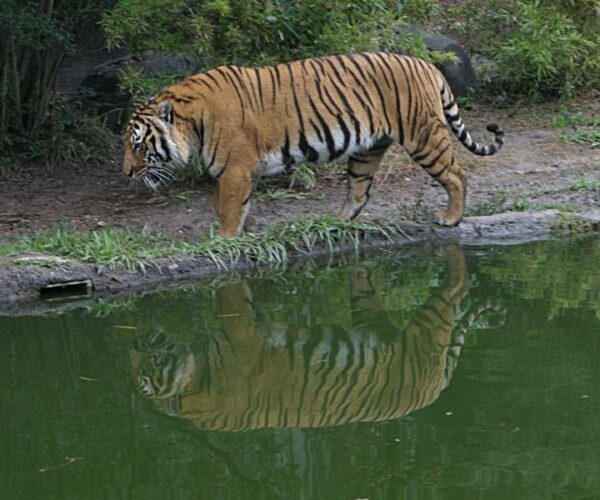
The greatest density of Indo-Chinese tigers is found in Thailand. There is a very limited knowledge of the status of these tigers in the wild.
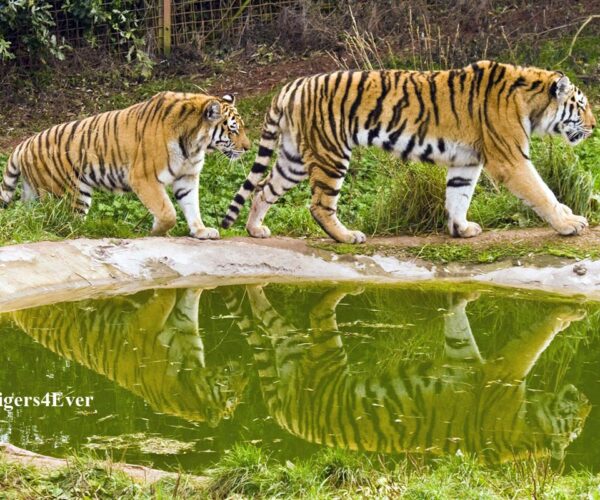
Rigorous anti-poaching methods in combination with other conservation efforts in Russia have brought the Amur tiger back from the brink of extinction.
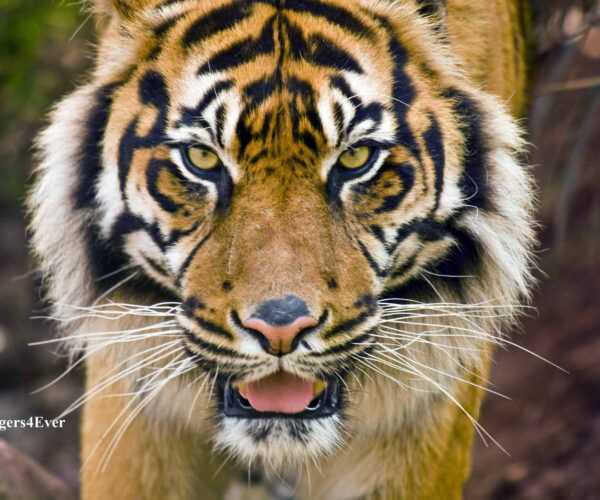
Smaller and darker than the Royal Bengal tiger, Sumatran Tigers can weigh between 75-150kg, with the males weighing around 30% more than the females
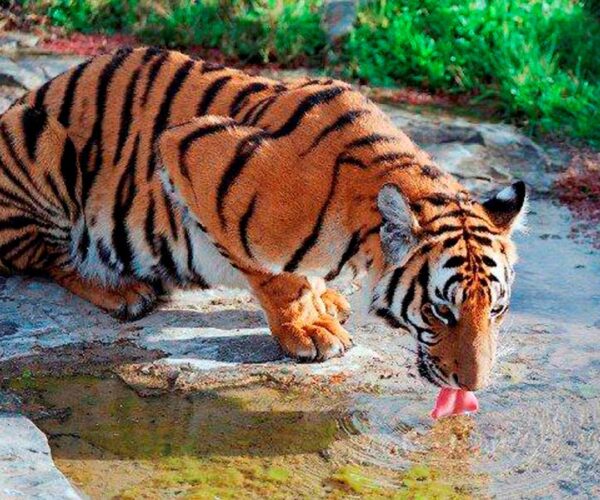
It is believed to be functionally extinct in the wild, and if non-captive populations still exist they are most likely to be found in the provincial borders in Southeast China.
Your donation, no matter the size, can make a real difference, helping to save lives, protect cubs and preserve a world where tigers still roam free. Please give today and be a part of the fight to keep wild tigers wild.
Volunteers do not necessarily have the time. They just have the heart. The best way to find yourself is to lose yourself in the service of others.
Our ultimate goal is to prevent the extinction of wild tigers. It is vital that we eliminate wild tiger deaths due to poaching and retaliatory poisoning to ensure that wild tigers are around for future generations.