Thank you for your dedication and support for our anti-poaching...
The South China tiger hasn’t been seen in the wild for over 25 years, a reported sighting by a farmer in 2007 was later discredited. If there are a few remaining individuals in the wild they are most likely to be in the moist forests of southeast China although it is not believed that the population would be viable due to a lack of genetic diversity through small numbers. There are no protected areas of undisturbed healthy tiger habitat large enough to sustain viable tiger populations. Scientists believe this subspecies to be functionally extinct due to the small gene pool associated with captive tigers & any which may exist in the wild.
| Category | Details |
| Scientific Name | Panthera tigris amoyensis |
| Habitat | Sub-tropical evergreen forests (montane and lowland). |
| Location | Historically Central and Eastern China; now found only in captivity (zoos and reserves). |
| IUCN Listing | Critically Endangered (Possibly Extinct in the Wild) |
| Population | 0 in the wild. Approximately 200–240 remain in captivity across Chinese zoos and a rewilding reserve in South Africa. |
| Size | Smallest mainland subspecies; 2.2–2.6m in length; 100–180kg. |
| Major Threats | Functional extinction due to historical “pest” hunting (1950s–70s), extreme habitat loss, and severe inbreeding in the remaining captive population. |
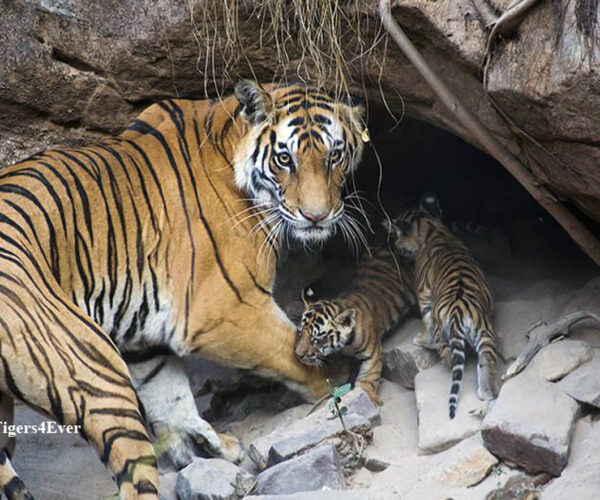
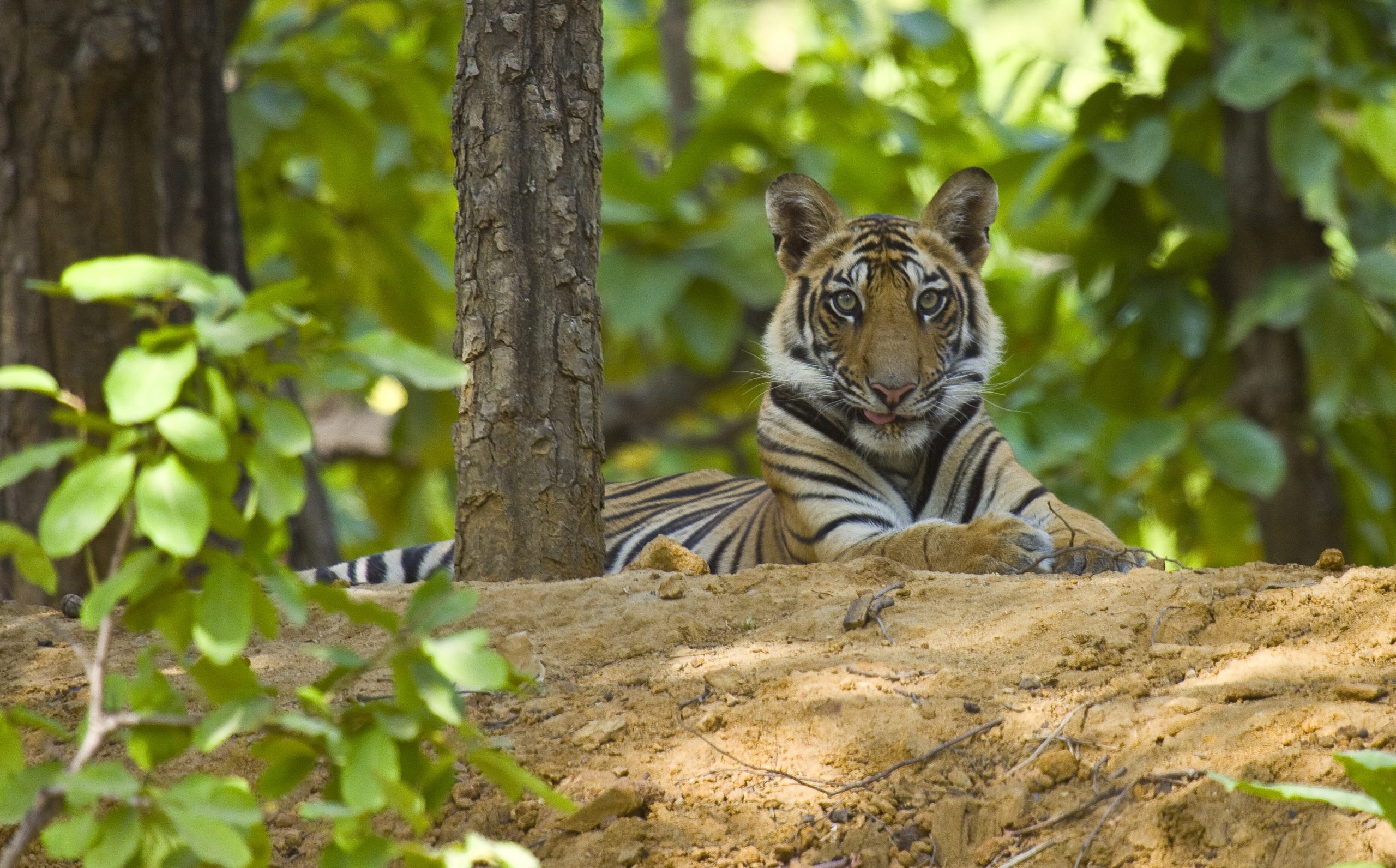
Royal Bengal tigers are the most numerous sub-species in the wild with the highest density in India (around 2967 individuals at July 2019).
The greatest density of Indo-Chinese tigers is found in Thailand. There is a very limited knowledge of the status of these tigers in the wild.
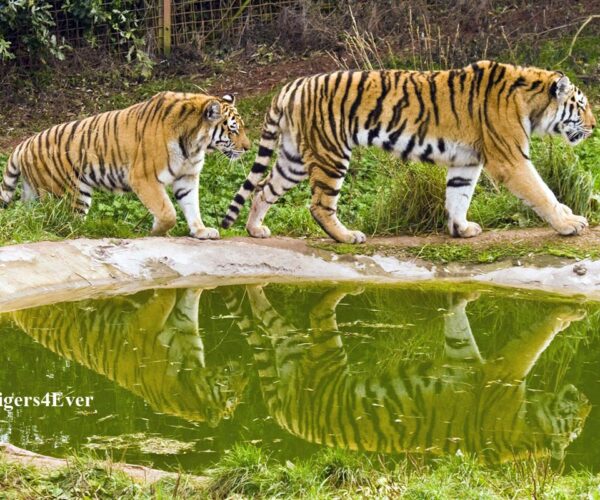
Rigorous anti-poaching methods in combination with other conservation efforts in Russia have brought the Amur tiger back from the brink of extinction.
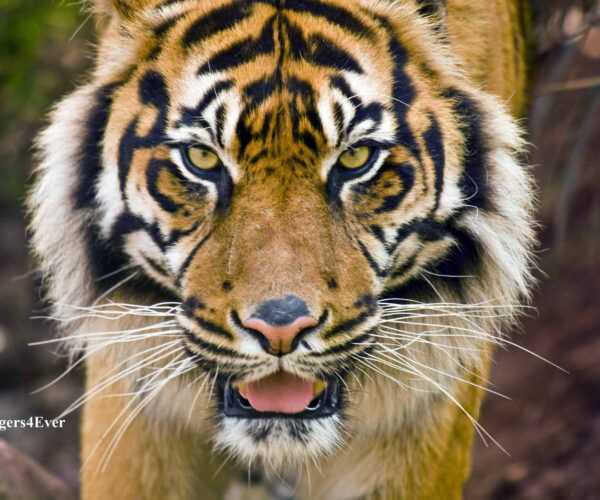
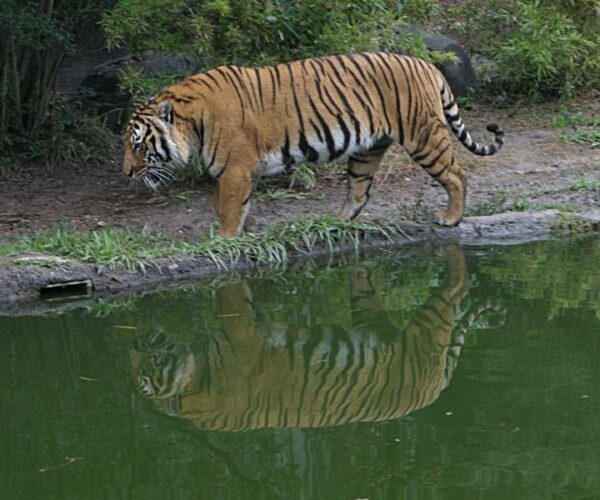
Smaller and darker than the Royal Bengal tiger, Sumatran Tigers can weigh between 75-150kg, with the males weighing around 30% more than the females
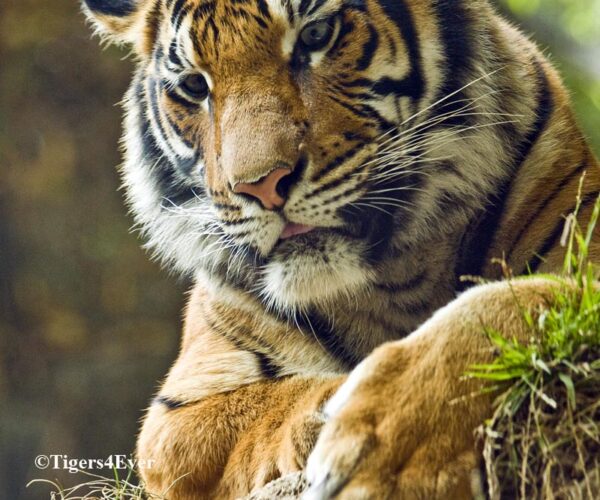
There is little known about the biology of Malayan tigers. They were only identified as a separate sub-species from the Indo-Chinese tiger sub-species in 2004.
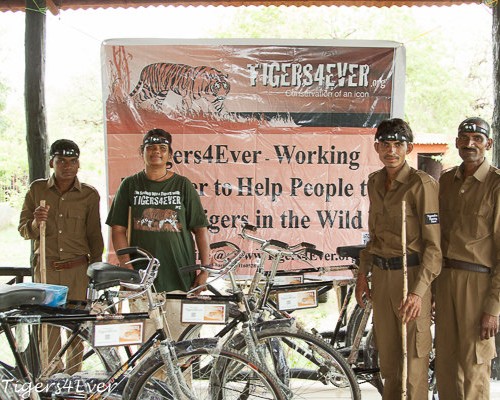
Your donation, no matter the size, can make a real difference, helping to save lives, protect cubs and preserve a world where tigers still roam free. Please give today and be a part of the fight to keep wild tigers wild.
Volunteers do not necessarily have the time. They just have the heart. The best way to find yourself is to lose yourself in the service of others.
Our ultimate goal is to prevent the extinction of wild tigers. It is vital that we eliminate wild tiger deaths due to poaching and retaliatory poisoning to ensure that wild tigers are around for future generations.